
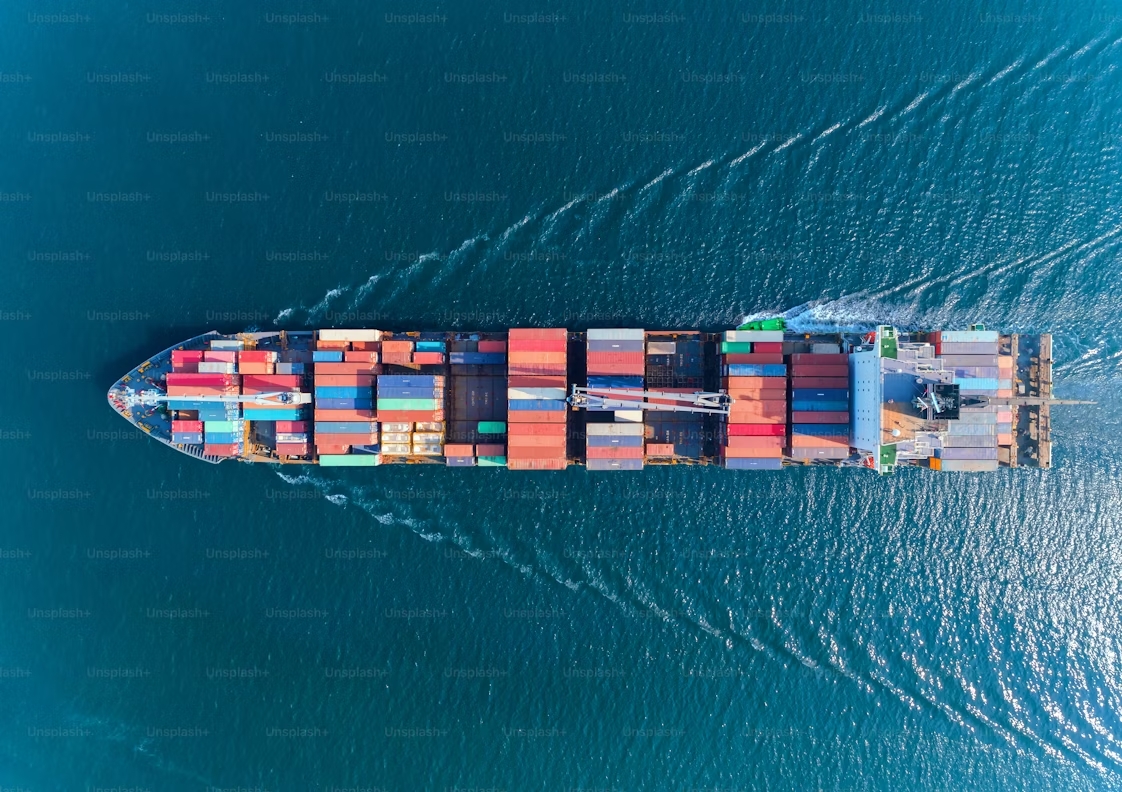
- Innovation spans industries to finance with svnmorningnews.com/category/business insights
- The Rise of Fintech and its Impact on Traditional Banking
- The Role of Blockchain Technology
- Sustainability and the Future of Corporate Social Responsibility
- The Rise of Impact Investing
- Global Supply Chain Resilience in a Volatile World
- Digitalization and Supply Chain Visibility
- The Metaverse and its Potential for Business Transformation
- Exploring New Avenues in Data Analytics and Business Intelligence
Innovation spans industries to finance with svnmorningnews.com/category/business insights
The dynamic world of business is constantly evolving, shaped by innovative ideas and disruptive technologies. Staying abreast of these changes is crucial for professionals and investors alike. svnmorningnews.com/category/business provides a comprehensive platform for delivering insightful coverage of these transformations, spanning sectors from finance and technology to sustainability and global markets. This dedication to current, well-researched reporting positions it as a valuable resource for anyone seeking to understand the forces driving the modern economy.
Navigating the intricacies of contemporary commerce requires more than just understanding current events; it demands a forward-looking perspective. The business landscape is increasingly characterized by volatility, uncertainty, complexity, and ambiguity – often referred to as the VUCA world. Accessing reliable, in-depth analysis, and expert opinions, such as those found on the specified platform, enables informed decision-making and strategic planning. The ability to anticipate trends, assess risks, and capitalize on opportunities is paramount in today's competitive environment, and quality business news plays a vital role.
The Rise of Fintech and its Impact on Traditional Banking
Financial technology, or fintech, is revolutionizing the way financial services are delivered, disrupting traditional banking models and fostering greater accessibility. From mobile payment solutions and peer-to-peer lending platforms to algorithmic trading and cryptocurrency, fintech innovations are reshaping the financial landscape at an unprecedented pace. This burgeoning sector represents a significant opportunity for growth and investment, but also presents challenges related to regulation, security, and consumer protection. The speed of innovation demands constant adaptation from established financial institutions, and those that fail to embrace change risk becoming obsolete. The traditional banking sector, known for its established infrastructure and regulatory compliance, is now facing competition from nimble, technology-driven startups that can quickly adapt to market demands.
The Role of Blockchain Technology
At the heart of many fintech innovations lies blockchain technology, a decentralized and transparent ledger system that has the potential to transform various industries beyond finance. Blockchain's inherent security features and ability to streamline transactions make it particularly attractive for financial applications, such as cross-border payments, supply chain finance, and digital identity management. While challenges related to scalability and regulatory uncertainty remain, the potential benefits of blockchain are undeniable. Its impact extends to increasing trust and reducing fraud and operational costs, potentially creating a more efficient and inclusive financial system. The inherent resilience of distributed ledger technology is particularly appealing in a world increasingly concerned with cybersecurity.
| Fintech Innovation | Traditional Banking Impact |
|---|---|
| Mobile Payments (e.g., Apple Pay, Google Pay) | Reduced reliance on physical cash and credit cards; increased competition for payment processing fees. |
| Peer-to-Peer Lending | Disruption of traditional loan origination and credit scoring models; increased access to credit for borrowers. |
| Robo-Advisors | Lower-cost investment management services; increased accessibility for smaller investors. |
| Cryptocurrencies | Challenge to traditional currency systems; potential for decentralized finance (DeFi). |
The integration of artificial intelligence and machine learning within fintech is further accelerating the pace of change. These technologies enable personalized financial advice, fraud detection, and algorithmic trading strategies, providing a competitive edge for fintech companies and pushing traditional banks to invest heavily in their own technological capabilities.
Sustainability and the Future of Corporate Social Responsibility
Environmental, social, and governance (ESG) factors are becoming increasingly important considerations for investors and consumers alike. Businesses are now under pressure to demonstrate a commitment to sustainability and social responsibility, moving beyond purely profit-driven motives. This shift is driven by a growing awareness of the long-term risks associated with climate change, social inequality, and ethical misconduct. Companies that prioritize ESG principles tend to attract more investors, retain employees more effectively, and build stronger brand reputation. However, accurately measuring and reporting on ESG performance remains a challenge, requiring standardized metrics and transparent reporting frameworks. The increasing demand for sustainable products and practices is driving innovation across industries.
The Rise of Impact Investing
Impact investing, which seeks to generate both financial returns and positive social or environmental impact, is gaining traction among investors seeking to align their portfolios with their values. This approach goes beyond simply avoiding harmful investments; it actively seeks out opportunities to address pressing social and environmental challenges, such as poverty, climate change, and healthcare access. Impact investments can take various forms, including venture capital, private equity, and debt financing. The success of impact investing relies on rigorous measurement and verification of social and environmental outcomes. Demonstrating tangible impact is crucial for attracting further investment and scaling up successful initiatives.
- Reduced carbon footprint through sustainable supply chains
- Improved labor standards and worker well-being
- Increased access to financial services for underserved communities
- Development of innovative green technologies
Corporate social responsibility is no longer a peripheral concern for businesses; it is becoming integral to their core strategy. Companies are realizing that a strong commitment to ESG principles can create long-term value for stakeholders, enhance their brand image, and mitigate risks. This trend is also influencing consumer behavior, as more and more individuals are choosing to support businesses that align with their ethical values.
Global Supply Chain Resilience in a Volatile World
Recent global events, including the COVID-19 pandemic and geopolitical conflicts, have highlighted the fragility of global supply chains. Businesses are now recognizing the need to build greater resilience into their supply networks, diversifying sourcing, and investing in technologies that enhance visibility and agility. Over-reliance on single suppliers or geographically concentrated production hubs has proven to be a significant vulnerability. Strategies for building supply chain resilience include nearshoring, reshoring, and increasing inventory levels. However, these approaches can also come with increased costs and complexities. Effective supply chain management requires a holistic approach, encompassing risk assessment, supplier collaboration, and continuous monitoring.
Digitalization and Supply Chain Visibility
Digital technologies, such as blockchain, artificial intelligence, and the Internet of Things (IoT), are playing a crucial role in enhancing supply chain visibility and improving resilience. These technologies enable real-time tracking of goods, predictive analytics to anticipate disruptions, and automated decision-making to optimize logistics. Blockchain, in particular, offers enhanced transparency and traceability, helping to combat counterfeiting and ensure the authenticity of products. Investing in digital infrastructure is essential for businesses seeking to navigate the complexities of modern supply chains and respond effectively to unforeseen challenges. The ability to quickly adapt and reroute shipments in response to disruptions is becoming a key competitive advantage.
- Diversify sourcing to reduce reliance on single suppliers.
- Invest in advanced supply chain analytics to identify potential risks.
- Build stronger relationships with key suppliers.
- Increase inventory buffer, but balance this with holding costs.
- Implement digital technologies to improve visibility and traceability.
The trend towards regionalization and localization of supply chains is also gaining momentum, as businesses seek to reduce transportation costs, shorten lead times, and mitigate geopolitical risks. While globalization has delivered significant economic benefits, the vulnerabilities exposed by recent events are prompting a reassessment of supply chain strategies.
The Metaverse and its Potential for Business Transformation
The metaverse, a persistent, immersive digital world, is emerging as a new frontier for business innovation. While still in its early stages of development, the metaverse has the potential to transform various industries, from retail and entertainment to education and healthcare. Businesses are exploring opportunities to create virtual storefronts, host virtual events, and offer immersive experiences to customers. The metaverse represents a new channel for brand engagement and customer interaction. However, significant challenges remain, including the need for interoperability between different platforms, ensuring data privacy and security, and addressing accessibility concerns. The successful adoption of the metaverse will depend on overcoming these hurdles.
The development of virtual and augmented reality technologies is crucial for enabling compelling metaverse experiences. These technologies allow users to interact with the digital world in more natural and intuitive ways. Creating realistic and engaging virtual environments requires significant investment in hardware and software, as well as skilled developers and content creators. The metaverse also presents new opportunities for creators and entrepreneurs to monetize their digital assets and build new business models. The long-term impact of the metaverse on the business world remains to be seen, but its potential to disrupt traditional industries is undeniable.
Exploring New Avenues in Data Analytics and Business Intelligence
Data is the lifeblood of modern businesses, and the ability to collect, analyze, and interpret data is becoming increasingly critical for success. Advances in data analytics and business intelligence (BI) are enabling organizations to gain deeper insights into customer behavior, optimize operations, and make more informed decisions. The proliferation of data sources, including social media, IoT devices, and transaction systems, presents both opportunities and challenges. Businesses need to invest in robust data infrastructure and skilled data scientists to effectively manage and analyze these vast datasets. Furthermore, ethical considerations related to data privacy and security must be paramount. The development of artificial intelligence and machine learning algorithms is automating many data analysis tasks, allowing businesses to extract valuable insights more efficiently.
Predictive analytics, a key component of modern BI, allows businesses to forecast future trends and anticipate potential risks. By leveraging historical data and statistical modeling, companies can make proactive decisions and optimize their strategies. Data visualization tools also play a crucial role in communicating insights to stakeholders in a clear and concise manner. The effective use of data analytics requires a data-driven culture, where decision-making is based on evidence rather than intuition. Ongoing investments in data literacy and training are essential to empower employees to effectively utilize data in their roles. The insights offered by advanced analytics can significantly improve operational efficiency, boost profitability, and enhance customer satisfaction.